
How to Grow and Care for Cleyera in Southeast Texas
Cleyera is one of the easiest evergreen shrubs for shaded foundation beds and screens in Montgomery and Harris County. Here is how to plant it, water it through its first summer and keep it glossy for years.
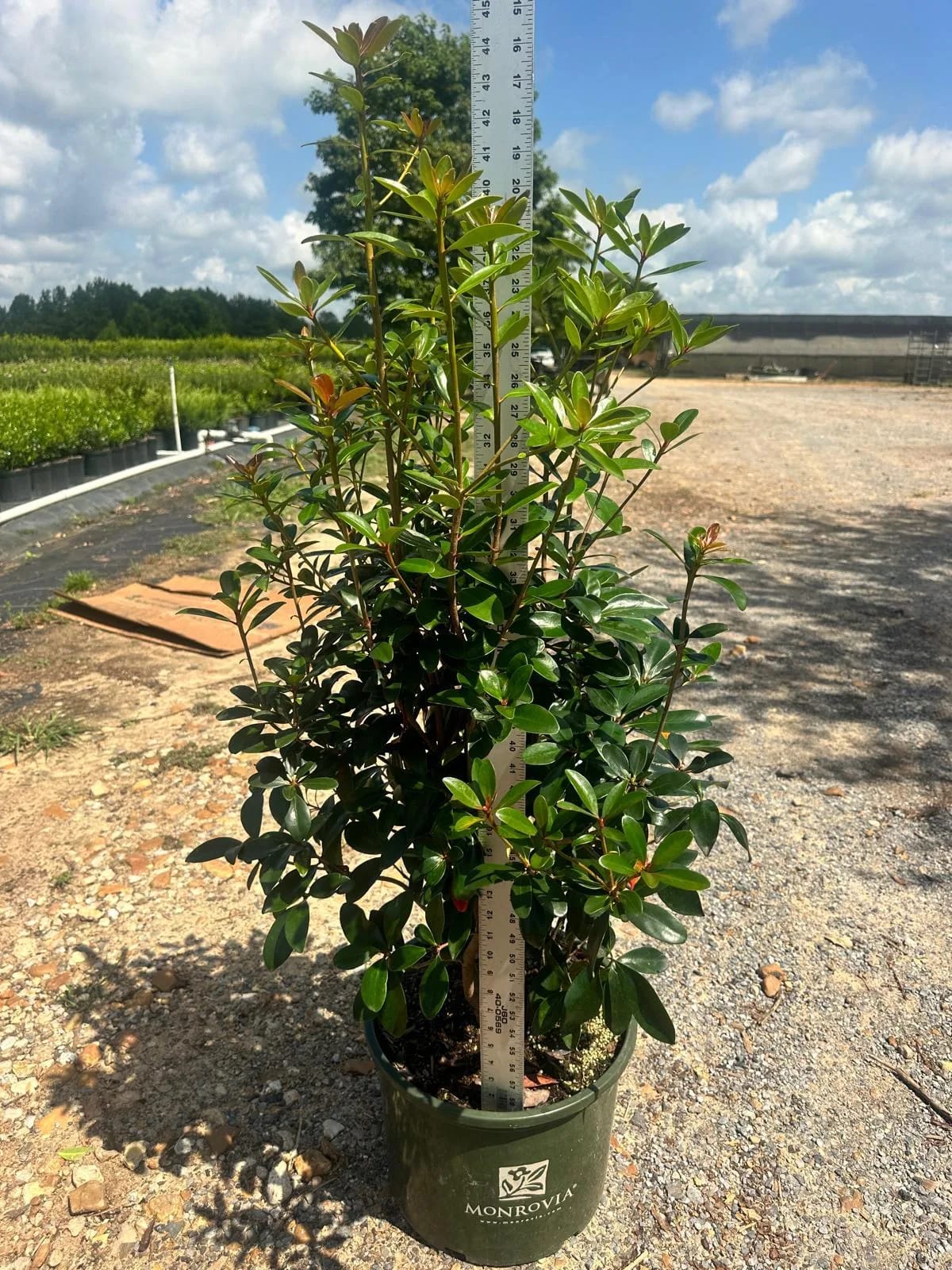
If you drive through an older neighborhood in The Woodlands or Conroe in April, the glossy shrubs with bronze-red tips under the pines are very often cleyera. It is not a flashy plant, and that is the point: it stays dark green all year, takes shade better than most screening shrubs, and asks for little once it is settled. This guide covers what cleyera needs in Montgomery and Harris County soils and weather, from the day you plant it through its first summers.
What cleyera is (and is not)
The plant sold as cleyera across the Gulf Coast is Ternstroemia gymnanthera, sometimes called Japanese ternstroemia. True Cleyera japonica is a different species that is rarely offered here. Both names show up on tags and in older articles, so check the botanical name: our Cleyera is Ternstroemia gymnanthera, and everything below applies to that plant.
Cleyera is a broadleaf evergreen with thick, oval, very glossy leaves. New growth opens bronze to red before turning dark green, and that two-tone flush repeats through the growing season. In spring it carries small, creamy-white flowers that are more fragrant than showy, sometimes followed by small fruit that ripens yellow to dark red and splits to show black seeds. Mature plants are upright and layered, usually 8 to 10 feet tall and 5 to 6 feet wide, and they are easy to hold lower with light pruning. Texas Master Gardeners rate it for USDA zones 7 to 10 and describe it as low-maintenance with no major pest or disease problems.
Where it fits in a Southeast Texas yard
- Shaded foundation beds, especially the north and east sides of the house where few evergreens look good.
- Screens under pine canopy: it is one of the better evergreen screens for the high, filtered shade common in The Woodlands.
- An evergreen backdrop behind azaleas, camellias and hydrangeas, which like the same acidic, well-drained ground.
- Accents and containers: a single plant near a patio or in a large pot reads well year-round.
For a hedge or screen, space plants 3 to 5 feet apart depending on how quickly you want them to close the gap.
Light: afternoon shade is your friend
Fact sheets list cleyera for sun to partial shade, and it does tolerate full sun. In our climate, though, the plants that look best get morning sun and afternoon shade, or bright, filtered shade all day. A spot against a west-facing brick wall, with summer highs in the 90s and reflected heat, is where cleyera scorches and thins out. If sun is the only option, give it extra water in July and August and keep the mulch deep.
Soil and drainage: acidic and well-drained
Cleyera prefers moist, well-drained, acidic soil. The Master Gardener fact sheet is blunt about it: leaves turn yellow if the soil is alkaline. East of I-35 most native soils are acidic, and much of Montgomery County sits on sandy loam that drains well, which is why cleyera does so well here. Two situations to watch:
- Heavy clay or low spots. Cleyera will not tolerate wet feet; standing water after a Gulf storm leads to root rot. In clay, plant on a slight mound or in a raised bed so the top of the root ball sits an inch or two above grade.
- Alkaline pockets. Beds next to concrete foundations, driveways and new construction fill are often more alkaline than the rest of the yard. If new leaves yellow while the veins stay green, that is iron chlorosis from high pH. A soil test through Texas A&M AgriLife Extension tells you where you stand; mulching with pine bark or pine straw and using an acid-forming fertilizer help keep the pH where cleyera wants it.
Planting
The same Earth-Kind steps Texas A&M recommends for trees work for container shrubs:
- Dig the hole twice as wide as the root ball and no deeper than the root ball is tall. A deep hole lets the plant settle and sink, and sunken cleyera rot.
- Set the plant so the top of the root ball is level with, or slightly above, the surrounding soil. Loosen circling roots on the outside of the root ball with your fingers.
- Backfill with the soil you dug out. Soil amendments in the hole are not recommended; they create a "pot" that holds water around the roots.
- Build a low berm of soil around the edge of the hole, fill the basin with water to settle the soil, and then cover it with 2 to 3 inches of mulch, kept a few inches away from the stem.
Best time to plant: October through March. A fall-planted cleyera has the whole cool season to root before its first Texas summer. Spring planting is fine; summer planting works only if you are committed to watering.
Watering
Newly planted shrubs need more frequent water until they are well rooted, and then they should be weaned to deeper, less frequent watering. That weaning is what builds the deep roots that get a plant through August.
- Weeks 1 to 3: water daily the first week, every other day the second, every third day the third, soaking the root ball each time.
- First summer: a deep soak once or twice a week when there is no rain, more during a heat advisory. Check with a finger under the mulch first. More shrubs here die from too much water than from too little.
- Established plants (from the second year): cleyera is drought tolerant once rooted. Water deeply every week or two in a dry summer; the rest of the year, rain usually covers it.
Deep, infrequent watering is better than a light sprinkle every day. It pushes roots down, mimics real rain, and keeps the surface drier, which discourages fungal problems.
Fertilizer
Cleyera is not a heavy feeder. One application of a slow-release, acid-forming shrub fertilizer in early spring (late February to March) is plenty for an established plant. Do not fertilize in late summer or fall; soft growth pushed in September is the growth that burns in a January freeze. If the soil is alkaline and the leaves are pale, an iron supplement with soil sulfur does more than extra nitrogen.
Pruning
Pruning is usually unnecessary because cleyera grows at a moderate pace and keeps a tidy shape on its own. When you do prune:
- Pinch or tip-prune the ends of branches to keep plants dense and compact, especially in shade where growth is more open.
- Prune lightly after the spring flush, or right after flowering if you want to enjoy the fragrance first.
- Avoid hard shearing, and never shear in late summer heat; cut branches back to a leaf or side branch instead so the plant keeps its layered look.
- Remove dead or frost-damaged tips in March once new growth shows where the live wood is.
Winter and heat
Cleyera is hardy through our winters; Conroe and The Woodlands fall in USDA zones 8b to 9a, well inside the plant's range. In a hard freeze, foliage may bronze or spot, and plants in full winter sun are the most likely to show burn. Water before a freeze if the soil is dry, and leave any damage alone until spring. In summer, the combination to avoid is reflected heat plus dry soil; shade and mulch solve most of it.
Common problems in our area
| What you see | Likely cause | What to do |
|---|---|---|
| New leaves yellow, veins green | Alkaline soil locking up iron | Soil test, acidify with sulfur, iron supplement, pine mulch |
| Leaves yellowing and dropping from the inside, soil stays wet | Overwatering or poor drainage | Water less, improve drainage, replant on a mound if needed |
| Scorched or bleached patches on leaves | Hot afternoon or reflected sun | Move the plant, add shade, keep mulch deep |
| Small bumps on stems and leaf undersides, sticky residue | Scale (uncommon) | Horticultural oil in cool weather; bring a sample to the nursery or your county Extension office |
| Brown or black spots on a few older leaves | Leaf spot, usually cosmetic | Improve air circulation, avoid wetting foliage, remove fallen leaves |
Pest and disease problems are genuinely rare; most "sick" cleyera we are asked about are simply planted too deep, too wet or too hot.
Companions
Because it wants the same acidic, well-drained, part-shade conditions, cleyera pairs naturally with azaleas, camellias, hydrangeas, hollies and ferns, with liriope or Asian jasmine at its feet. Its dark green makes a quiet background that lets flowering plants in front of it stand out.
Ready to plant?
Check live availability and sizes on our Cleyera page, or stop by the nursery on FM 1488 in Conroe to pick your plants in person. If you are not sure whether your bed drains well enough, bring a photo and a handful of soil; we are happy to look at it with you.
Frequently asked questions
- Is cleyera the same plant as Cleyera japonica?
- Not exactly. The shrub sold as "cleyera" in Texas nurseries, including ours, is Ternstroemia gymnanthera (Japanese ternstroemia). True Cleyera japonica is a different, less common plant. The care in this guide is for Ternstroemia gymnanthera, which is what our tag says.
- Why are my cleyera's leaves turning yellow?
- The most common cause is alkaline soil, which locks up iron: the newest leaves yellow while the veins stay green. Cleyera wants acidic, well-drained soil. The other common cause is soggy soil from overwatering or poor drainage. Check drainage first, then the soil pH.
- Does cleyera take full sun in Houston?
- It tolerates sun, but in our summers it looks best with afternoon shade or high, filtered shade. Full western sun plus reflected heat from a wall often scorches the leaves. Morning sun with afternoon shade is the sweet spot.
- How fast does cleyera grow and how big does it get?
- It is a moderate grower. In the landscape it usually settles at 8 to 10 feet tall and 5 to 6 feet wide, and it is easy to hold lower with a light trim once a year.
- When should I prune cleyera?
- Lightly, right after the spring flush of new growth has hardened, or after flowering if you want to keep the small fragrant blooms. It rarely needs more than tip-pruning; avoid hard shearing in August heat.
- Is cleyera deer resistant?
- We cannot promise it. Deer pressure in The Woodlands and Magnolia varies by neighborhood, and hungry deer will sample almost anything. Cleyera is not a favorite, but protect young plants if deer visit your yard.
Plants in this article
Sizes and availability are live from our inventory. Call to reserve.
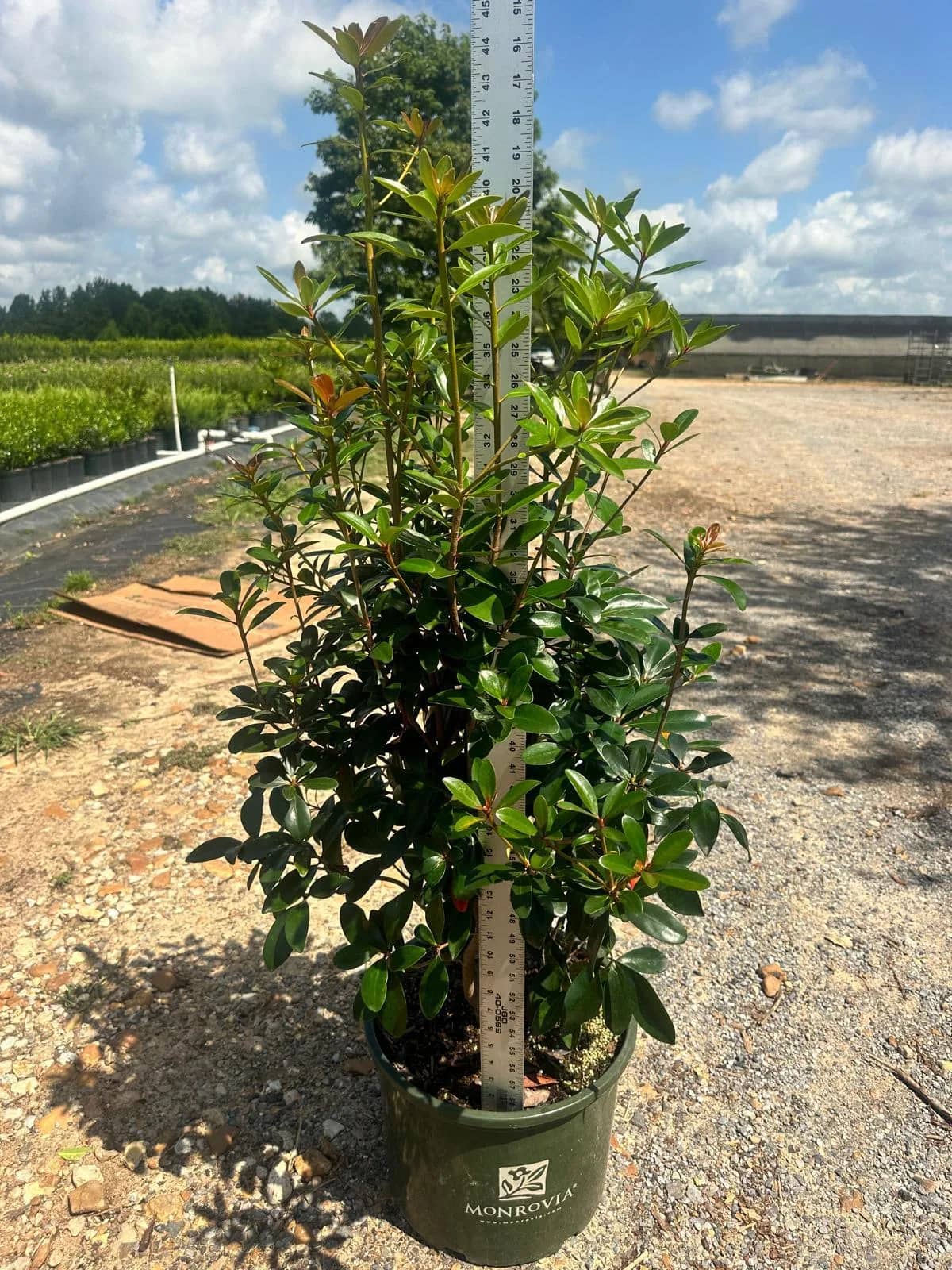 Shrubs
Sources & further reading
- Texas Master Gardeners, Henderson County (Texas A&M AgriLife Extension): Cleyera – Ternstroemia gymnanthera fact sheet — Texas A&M AgriLife Extension
- Texas A&M AgriLife Extension: Outstanding Landscape Plants for Northeast Texas — Texas A&M AgriLife Extension
- Texas A&M AgriLife Extension, Earth-Kind Landscaping: Planting a Tree — Texas A&M AgriLife Extension
- Texas A&M Forest Service: Watering Newly Planted Trees — Texas A&M Forest Service
- USDA Plant Hardiness Zone Map — USDA
- National Weather Service Houston/Galveston — NOAA / National Weather Service
Related articles
 Plant Care & Growing GuidesPlant Care & Growing Guides
3 min read
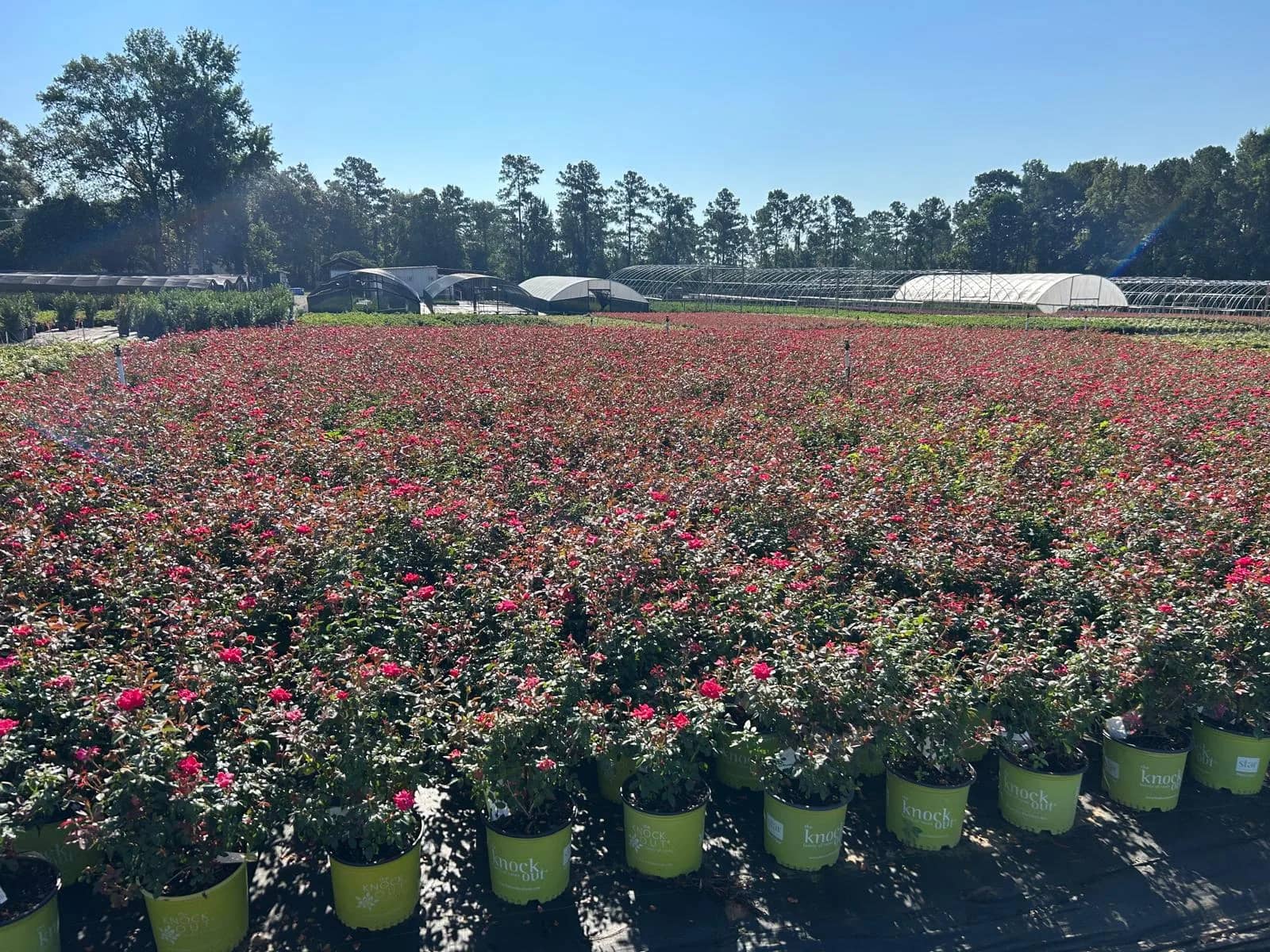
Growing Knock Out Roses in Southeast Texas
A practical guide to growing Knock Out Roses, based on Texas A&M AgriLife Extension's Earth-Kind® guidance: size and spacing, sun, soil preparation, mulch, watering and fertilizing.
Read article →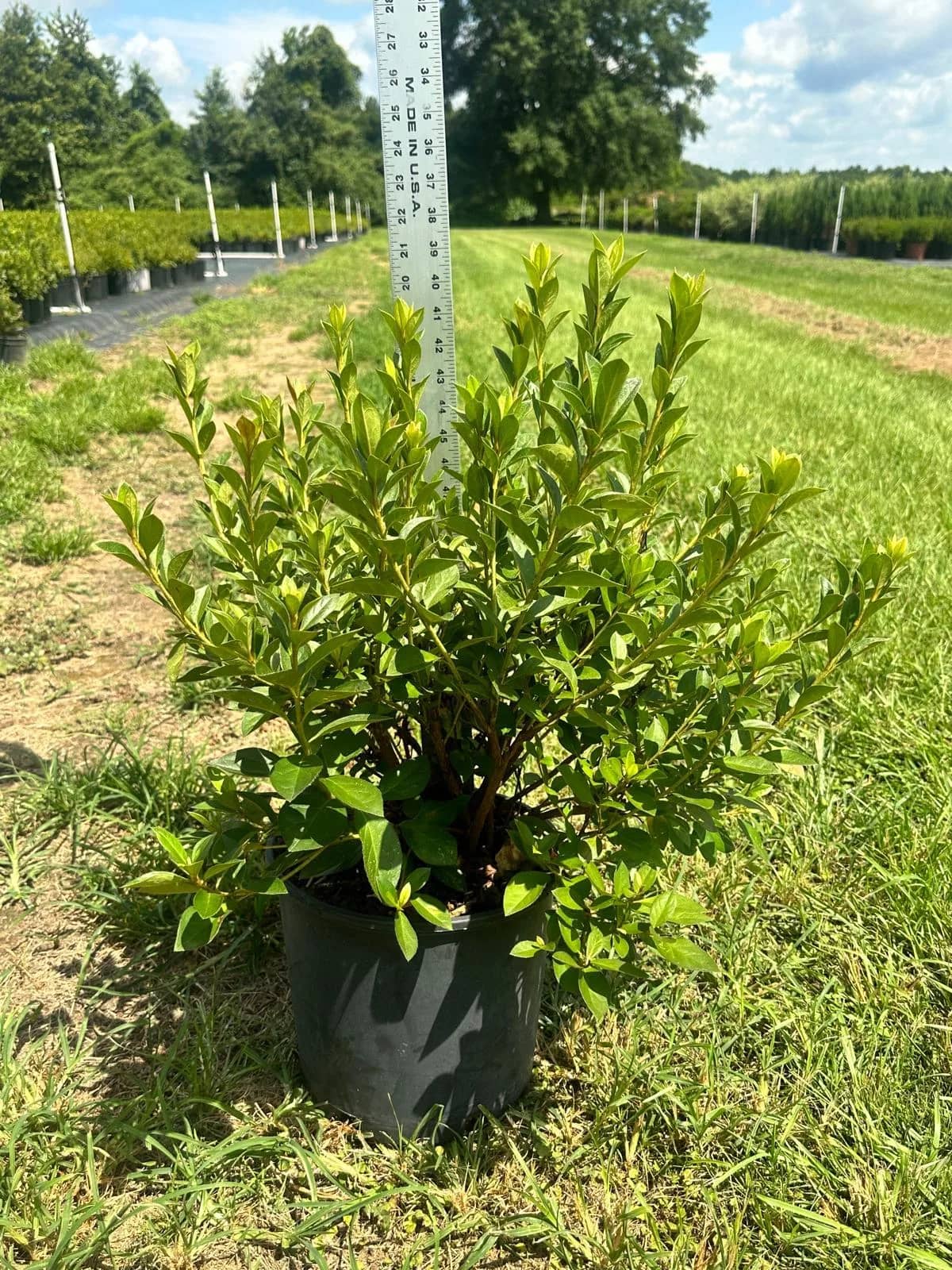 Plant Care & Growing GuidesPlant Care & Growing Guides
4 min read
Growing Azaleas in Southeast Texas: Fall Planting and Care
Azaleas thrive in Southeast Texas gardens when planted in partial shade with acidic, well-drained soil. Fall is an ideal time to plant these evergreen shrubs for stunning spring blooms.
Read article →