
Growing Azaleas in Southeast Texas: Fall Planting and Care
Azaleas thrive in Southeast Texas gardens when planted in partial shade with acidic, well-drained soil. Fall is an ideal time to plant these evergreen shrubs for stunning spring blooms.
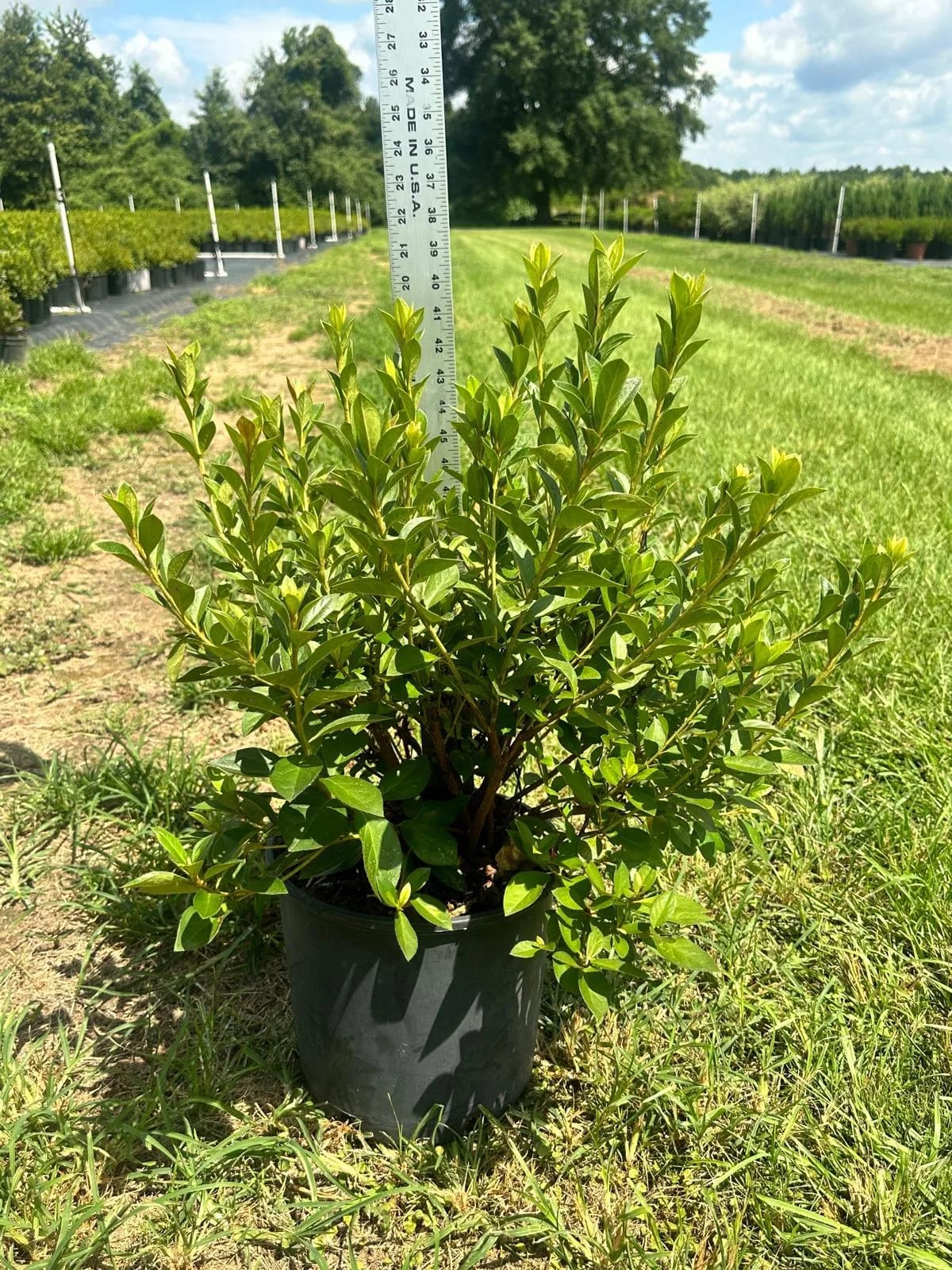
Why Plant Azaleas Now in Fall?
Fall is one of the best seasons to plant azaleas in Southeast Texas. The cooler air and typically adequate rainfall help new plants establish strong root systems before spring growth begins. By planting now, your azaleas will be well-settled and ready to produce those spectacular blooms that make these shrubs so beloved in our region's landscapes.
Azaleas (Rhododendron spp.) are popular flowering shrubs known for their vibrant spring blooms and attractive evergreen foliage. They work beautifully in foundation plantings, shaded borders, woodland-style gardens, and mass plantings throughout Montgomery and Harris counties.
Choosing the Right Light Exposure
Azaleas perform best in partial shade to morning sun. In Southeast Texas, this means placing them where they receive gentle morning light but are protected from the intense afternoon heat. This light pattern is especially important during our hot, humid summers. Plants that receive too much direct afternoon sun may experience leaf scorch and stress, particularly if soil moisture fluctuates.
Consider the mature size of nearby trees when selecting your planting spot. A location under a high-canopy shade tree or on the east side of a structure often provides ideal conditions. Avoid dense, full-shade areas where air circulation is poor, as moisture buildup can invite disease.
Preparing Your Soil
Soil preparation is critical for azalea success in Southeast Texas. These shrubs require acidic, well-drained soil—quite different from our region's naturally heavy, alkaline clay. Most azaleas prefer a soil pH between 4.5 and 6.0.
Before planting, amend your clay soil generously with composted pine bark, peat moss, or other organic matter. Mix these amendments into the planting bed to a depth of 12 to 18 inches. If your drainage is severely poor, build a raised bed 8 to 12 inches high and fill it with amended soil. This approach prevents standing water around the root system, which can rot roots quickly in our humid climate.
When you dig your planting hole, make it as deep as the root ball and two to three times as wide. Gently loosen the roots, keeping the root flare (where the stem meets the roots) at or slightly above ground level. Backfill with your amended soil mix and water thoroughly to settle it.
Watering Wisely
Azaleas need consistent moisture, especially during their first growing season and throughout spring and summer. However, they are sensitive to waterlogged soil. The goal is moist but not soggy.
For new plantings, water deeply two to three times per week during dry spells, adjusting based on rainfall. Use deep watering techniques—such as soaker hoses or drip irrigation along the drip line—to deliver water directly to the root zone. This approach is more efficient than overhead watering and helps reduce fungal issues in our humid environment.
Once established, most azaleas are fairly drought tolerant and can handle brief dry periods. However, monitor them during hot, dry summers. Apply 2 to 3 inches of mulch around the base, keeping it a few inches away from the stem. Mulch helps retain soil moisture and keeps roots cool.
Fertilizing for Success
Azaleas do not need heavy feeding. In fact, excessive fertilizer can reduce flowering and create soft growth prone to pests. Use a balanced, slow-release fertilizer formulated for acid-loving plants. Apply it in early spring as new growth begins, following label directions.
If leaves develop a pale color with green veins—a condition called iron chlorosis—it may indicate the soil is too alkaline. In that case, apply a chelated iron product or sulfur according to product instructions to lower the pH. This issue is common in Southeast Texas clay soils.
Pruning and Deadheading
Pruning azaleas is best done immediately after flowering in spring, before new growth hardens. Remove dead, diseased, or crossing branches, and shape the plant lightly if needed. Avoid heavy pruning, which can remove next year's flower buds.
Deadheading—removing spent flowers—encourages the plant to redirect energy into stronger growth rather than seed production. Simply pinch off faded blooms by hand.
In fall and winter, minimal pruning is needed. Light tidying can be done in late summer if branches are unruly, but avoid major cuts that might expose tender new growth to potential winter frost or freeze damage.
Designing with Azaleas
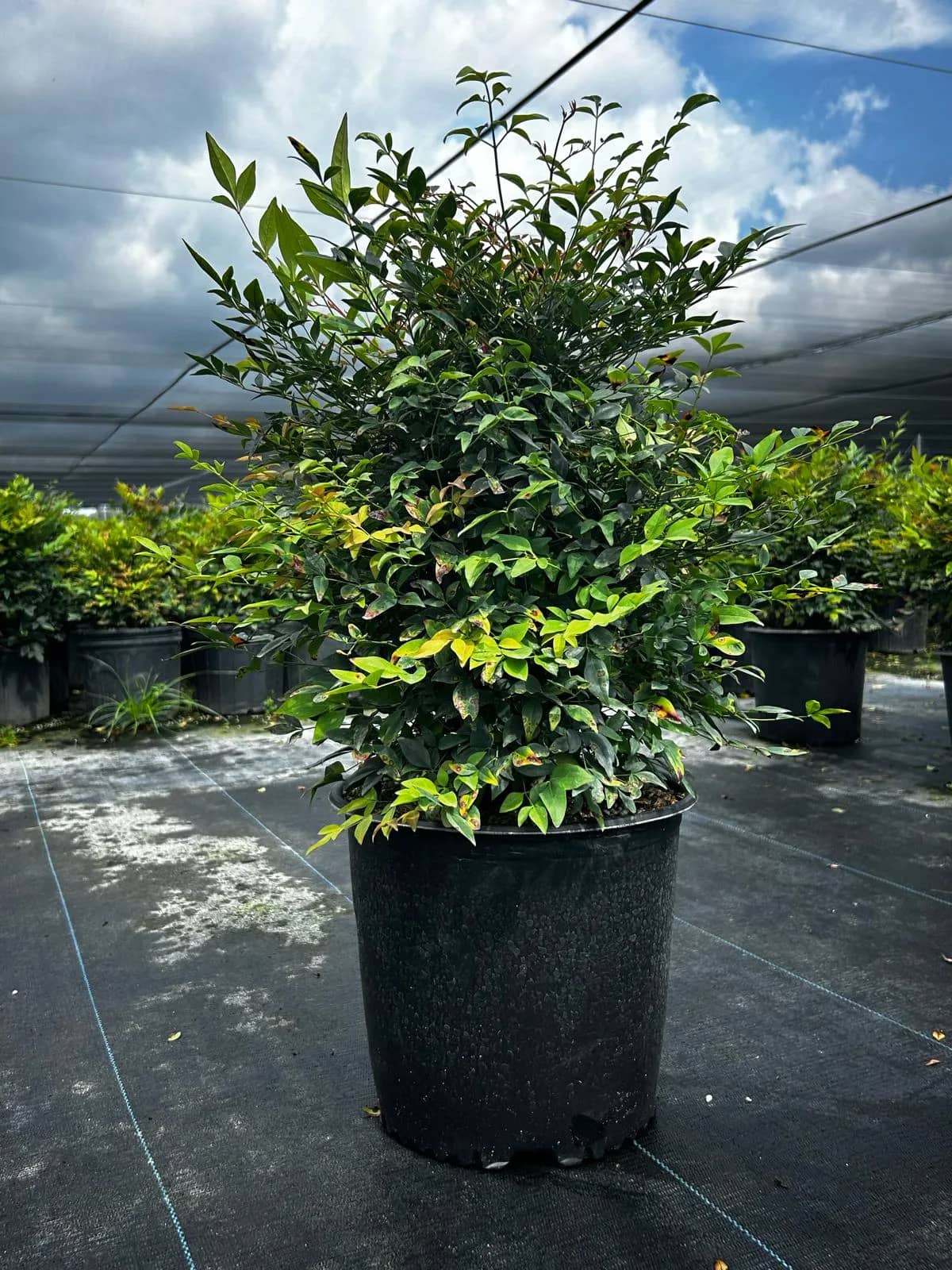
Azaleas shine in several landscape roles. Use them in foundation plantings around homes and buildings, in shaded borders under trees, or in mass plantings for bold color impact. Their dense, rounded growth habit creates natural screens or informal hedges. Pair them with complementary evergreens like Boxwood Wintergreen, Cleyera, or Compact Nandina for year-round structure and color.
Their spring blooms also make them excellent specimen plants in prominent locations where their flowers will be noticed and enjoyed. Consider grouping azaleas of different colors for a striking display.
Managing Pests and Disease
Azaleas are generally hardy in Southeast Texas, but watch for common issues: spider mites in hot, dry conditions; lace bugs on the leaf undersides; and fungal diseases in overly humid spots with poor air circulation. Proper spacing, good air flow, and avoiding overhead watering help prevent most problems.
If pests appear, consult with professionals at the nursery or your local extension office for identification and treatment options appropriate for your situation.
Ready to Plant?
Fall is your window to get azaleas in the ground and thriving before spring. Visit Woodlands Nursery to explore the many colors and varieties we carry, and ask our team about selecting the right cultivars for your specific site. Call or stop by to discuss your landscape plan—we're here to help you succeed.
Frequently asked questions
- Can azaleas grow in full sun in Southeast Texas?
- Azaleas prefer partial shade to morning sun. Full, all-day sun exposure in Southeast Texas' heat and humidity can stress plants, cause leaf scorch, and reduce flowering. Morning sun with afternoon shade is ideal for our region.
- How often should I water newly planted azaleas?
- Water deeply two to three times per week during dry spells for the first growing season. Use soaker hoses or drip irrigation to deliver water directly to the root zone. Once established, azaleas are more drought tolerant but still need regular moisture during hot summers.
- What is the best time to plant azaleas in Southeast Texas?
- Fall (September through November) is ideal because cooler temperatures and adequate rainfall help plants establish roots before spring growth and flowering. Spring planting is also acceptable but requires more careful watering during hot weather.
- How do I fix yellow leaves with green veins on my azalea?
- This iron chlorosis is common in alkaline Southeast Texas clay soils. Apply chelated iron or sulfur products per label directions to lower soil pH, or amend soil with peat moss and pine bark to increase acidity over time.
- When should I prune azaleas?
- Prune immediately after spring flowering ends, before new growth hardens. Remove dead or crossing branches and shape lightly. Avoid major pruning in fall or winter, which can remove flower buds or expose tender growth to frost damage.
Plants in this article
Sizes and availability are live from our inventory. Call to reserve.
 Shrubs
 Shrubs
 Shrubs
 Shrubs
Sources & further reading
Related articles
 Plant Care & Growing GuidesPlant Care & Growing Guides
3 min read
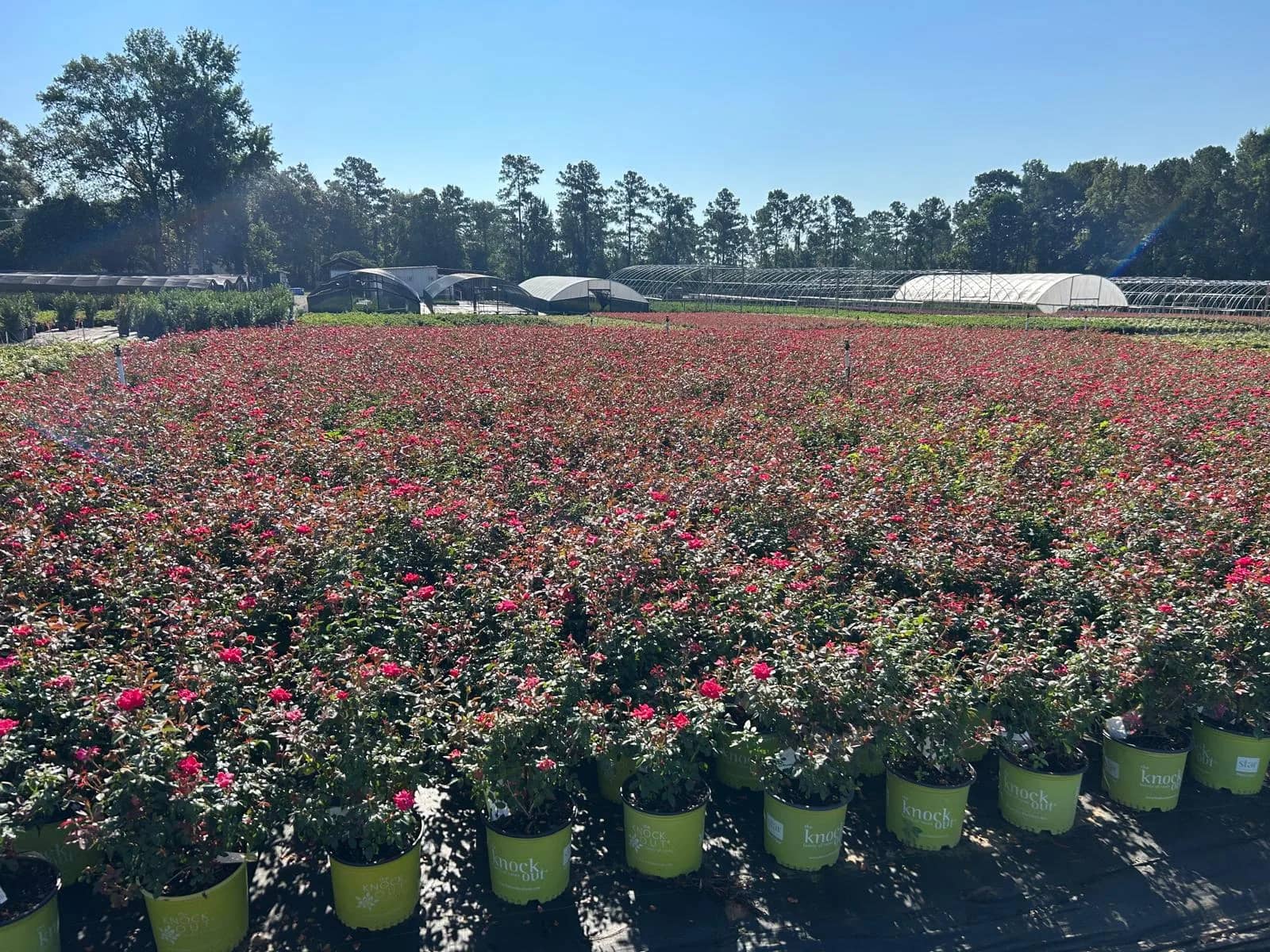
Growing Knock Out Roses in Southeast Texas
A practical guide to growing Knock Out Roses, based on Texas A&M AgriLife Extension's Earth-Kind® guidance: size and spacing, sun, soil preparation, mulch, watering and fertilizing.
Read article →- Plant Care & Growing GuidesPlant Care & Growing Guides
7 min read
How to Grow and Care for Cleyera in Southeast Texas
Cleyera is one of the easiest evergreen shrubs for shaded foundation beds and screens in Montgomery and Harris County. Here is how to plant it, water it through its first summer and keep it glossy for years.
Read article →